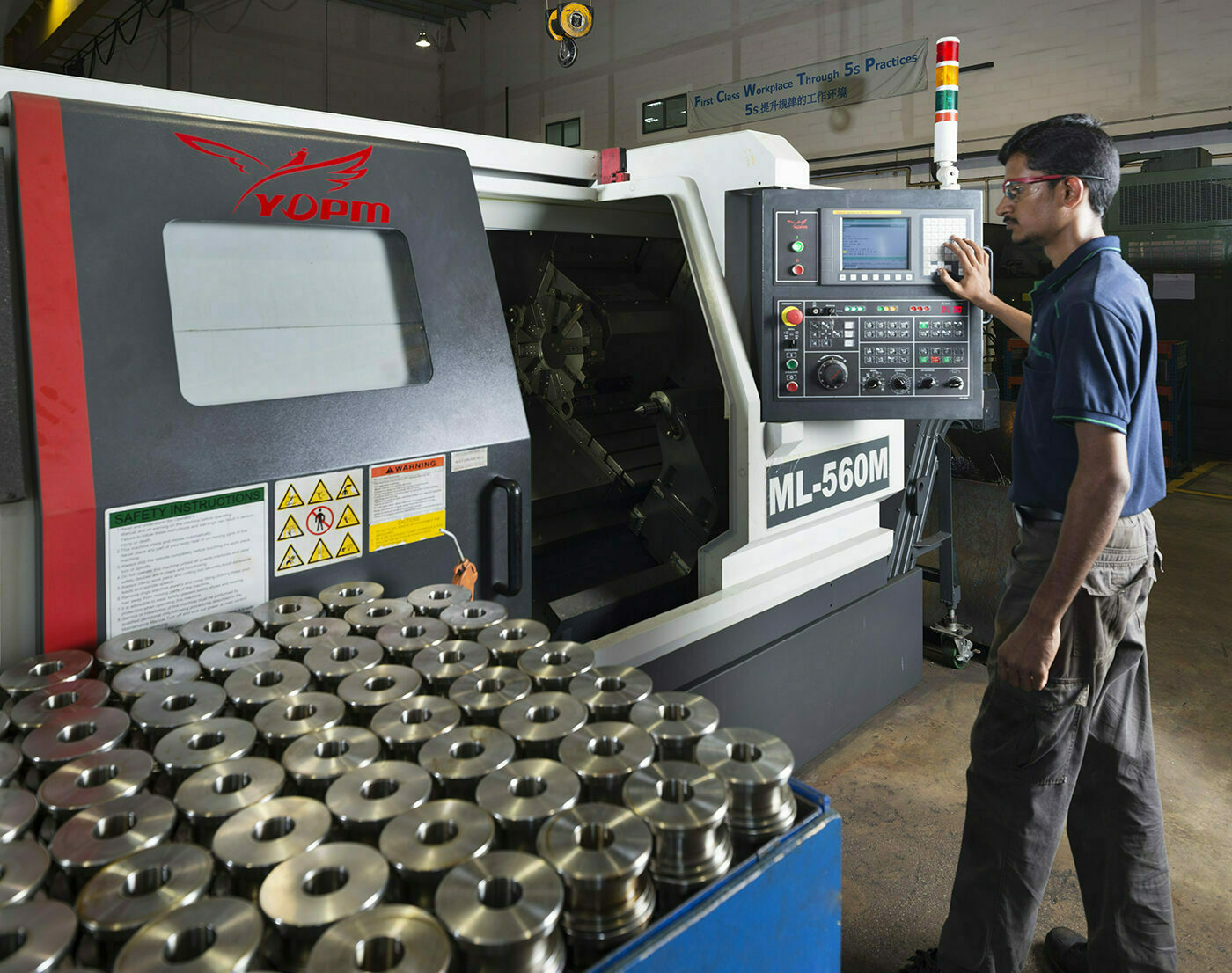
Industrial actuators are the unsung workhorses of numerous machines around the world, silently driving high-load operations in construction, farming, industry, and mineral work. These strong hydraulic devices change pressurized fluid into controlled, straight-line action, elevating, driving, drawing, and placing heavy loads with control and dependability. While they may appear surprisingly basic from the outside, the performance of a hydraulic actuator is the result of the seamless interaction of multiple core elements functioning in unison in perfect harmony. Learning these key elements and their roles is critical for any professional involved in engineering, control, or repair of industrial systems. Hydraulic cylinder parts
Primary Parts of a Industrial Cylinder and Why They Work
At the core of each hydraulic actuator lies the main barrel, a finely engineered housing that houses the key moving elements. It acts as the central structure of the system and holds the working oil that carries power. Because it must withstand extreme operating force and enable consistent operation, the inside wall of the barrel is carefully finished to strict specifications.Inside this barrel sits the sliding disc, the active element that separates the inside space into individual pressure zones. When controlled fluid is sent to each side of the component, pressure develops and moves the unit along the inside of the cylinder. This action is what ultimately produces the controlled, direct motion that the cylinder is built to provide. The piston fit and sealing within the housing are vital for effective force conversion and minimal oil leakage.
Connected firmly to the piston is the drive shaft, a reinforced steel shaft that carries the energy produced within the cylinder to the outside equipment. Whether moving out to elevate a heavy load or pulling back to realign a part, the drive bar must be exceptionally tough and wear-resistant. Often surface-treated or specially finished to reduce corrosion and friction, this rod ensures that the cylinder can deliver reliable performance under the toughest environments. Hydraulic cylinder parts
How Learning Hydraulic Elements Makes a Difference Even Than You Realize
Mechanical systems hold a vital purpose in numerous heavy-duty operations, but their efficiency and service life hinge on the condition of all core part. Knowing the functions of the cylinder tube, disc, shaft, sealing elements, and other elements allows technicians to diagnose faults quickly, plan repairs in advance, and take informed actions about fixes or replacements. A failed shaft seal might result in oil leakage long ahead of a piston issue becomes visible, and recognizing this quickly can save costly downtime and service costs.Moreover, choosing the proper hydraulic system for a specific job requires awareness of how these components impact force, speed control, and strength. Whether you are specifying machinery for a infrastructure project, repairing agricultural tools, or troubleshooting industrial processes, a clear understanding of hydraulic cylinder design helps ensure optimal efficiency.
As the backbone of so numerous hydraulic systems, hydraulic actuators need careful focus. By recognizing the jobs each part performs—from the durability of the drive rod to the sealing of a small ring—you release the full potential of your equipment and protect its function for many years to come.
Find out more on - Hydraulic cylinder parts