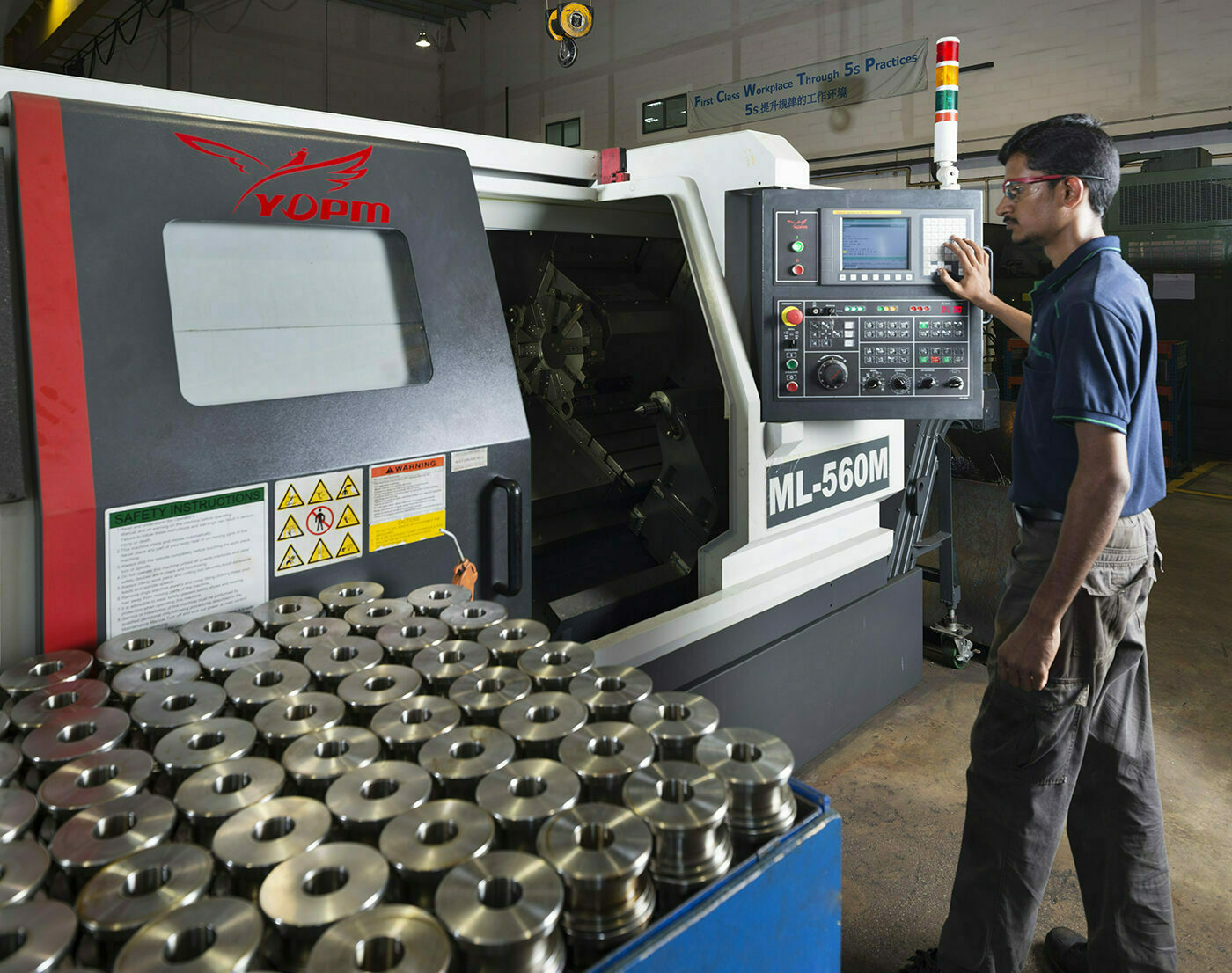
Hydraulic cylinders are the often unseen workhorses of many systems throughout the globe, quietly driving high-load operations in building, farming, manufacturing, and mining operations. These strong industrial actuators convert controlled liquid into precise, straight-line movement, lifting, forcing, retrieving, and placing massive loads with precision and dependability. While they may seem misleadingly basic from the outside, the efficiency of a mechanical unit is the result of the perfect coordination of many core parts working in unison in perfect sync. Knowing these essential components and their functions is critical for anyone working in design, usage, or maintenance of industrial equipment. Hydraulic cylinder parts
Main Elements of a Hydraulic Unit and How They Operate
At the heart of any hydraulic unit lies the pressure barrel, a finely engineered tube that contains the key moving components. It functions as the main structure of the system and contains the pressurized fluid that transmits power. Because it must endure intense internal force and enable smooth movement, the inner bore of the cylinder is finely polished to strict specifications.Inside this barrel sits the sliding disc, the mobile component that divides the inner area into individual pressure zones. When controlled liquid is directed to either side of the piston, pressure develops and drives the piston along the length of the tube. This action is what ultimately produces the strong, direct force that the cylinder is designed to deliver. The piston alignment and seal within the tube are vital for efficient force conversion and reduced oil loss.
Connected directly to the core is the output bar, a reinforced steel rod that delivers the force produced within the unit to the outside equipment. Whether pushing out to elevate a massive structure or retracting to realign a assembly, the drive bar must be exceptionally strong and long-lasting. Often coated or professionally treated to reduce oxidation and drag, this component ensures that the cylinder can deliver steady results under the most demanding environments. Hydraulic cylinder parts
Why Knowing Cylinder Parts Makes a Difference Even Than You Expect
Hydraulic cylinders hold a major function in many industrial uses, but their efficiency and longevity depend on the condition of each core element. Knowing the roles of the cylinder tube, core, rod, rings, and supporting parts enables technicians to spot faults quickly, schedule repairs proactively, and support smart decisions about overhauls or replacements. A worn output sealing ring might cause liquid escape long before a internal failure becomes clear, and recognizing this soon can save major downtime and service bills.Moreover, picking the right industrial cylinder for a particular job requires awareness of how these components affect force, movement precision, and strength. Whether you are planning equipment for a building operation, maintaining farming tools, or troubleshooting factory systems, a strong grasp of industrial unit anatomy helps guarantee best efficiency.
As the backbone of so numerous industrial applications, mechanical cylinders deserve careful focus. By understanding the jobs each element handles—from the durability of the drive bar to the sealing of a tiny O-ring—you unlock the full potential of your machinery and safeguard its performance for many years to forward.
Find out more on - Hydraulic cylinder parts